
Feb 11 2026
Maximizing Player Development

Maximizing Player Development
Innovative Training Approaches in Ontario Youth Baseball
Today, OBA announced the staffing of a new position. Congratulations to Kyle Fillier taking on the new role of Sport Development Officer. In this role, Kyle will be responsible for advancing baseball development, coach education, athlete safety, technical standards, and system-wide best practices across the province.
Forget the old drills that don’t match your player’s age or skill level. NCOBA’s local leagues each approach baseball player development with focus on tailored training that fits each stage—from 9U to 18U. You’ll see how targeted hitting drills for youth, pitching mechanics and arm care, plus mental skills training baseball come together to build confident, well-rounded players. Keep reading to learn how our clinics and TeamLinkt tools make it easy to stay on track all season. For more insights on youth baseball development, check out this resource.
Age-Specific Skill Progressions
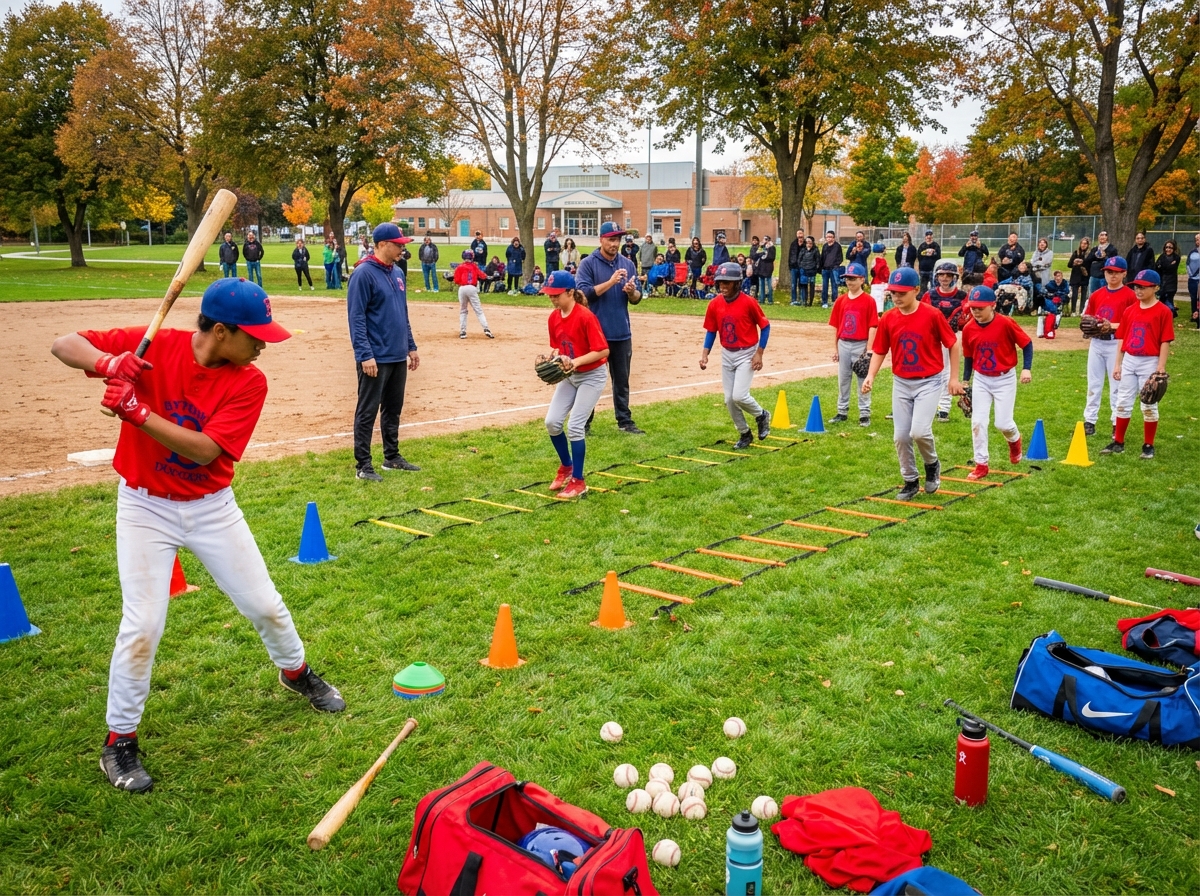
Let's explore how development at each age level offers unique opportunities for growth. Knowing what to focus on ensures your player gets the most from their time on the field.
U9 to U13 Focus Areas
In the early stages, kids are eager to learn and full of energy. The secret is channeling that enthusiasm into fundamental skills. Fielding and baserunning fundamentals become key. Players learn the basics of catching, throwing, and running the bases with precision. Drills should be fun and engaging, keeping kids interested and motivated.
As they progress, introducing hitting drills for youth can help improve their batting skills. Focus on balance, stance, and swing mechanics. Short, focused sessions work best. Remember, it's about building confidence and making sure they feel comfortable at the plate. By U13, players often show significant improvement, setting the stage for more advanced skills.
U15 to U18+ Development Goals
As players mature, the focus shifts to refining skills and introducing new challenges. Pitching mechanics and arm care become crucial. Proper technique reduces injury risk and enhances performance. At this stage, players start understanding the strategy behind the sport, adding layers to their gameplay.
Mental conditioning is also vital. Teaching players how to stay focused and positive during games can make a big difference. Mental skills training baseball helps them build resilience and confidence. By U18, players aim to excel in all areas, preparing for potential opportunities in competitive baseball.
Training Tools and Techniques
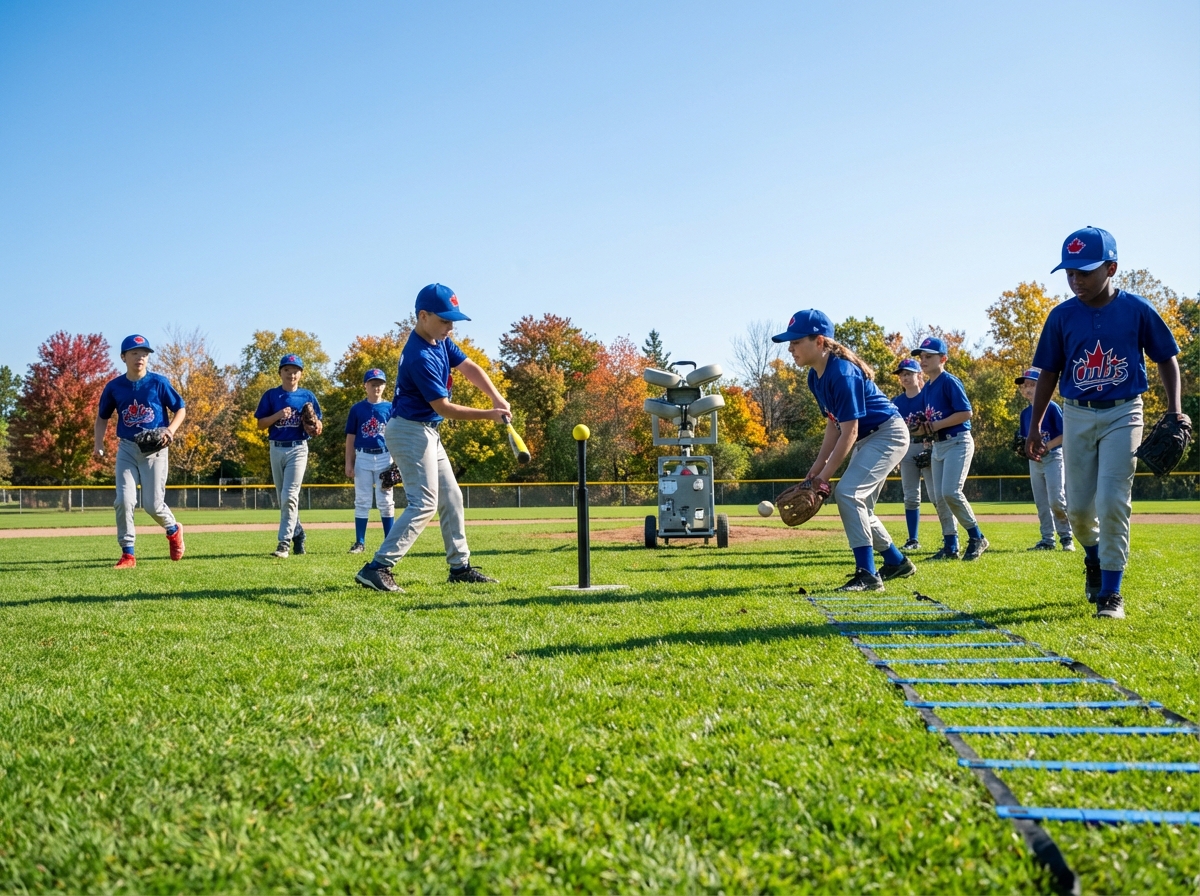
Let's dive into the tools and techniques that make training effective. Combining traditional methods with modern insights offers players the best of both worlds.
Fundamentals-First Reps
Focusing on the basics lays a strong foundation. Start each session with fundamentals-first reps. These repetitions ensure players develop muscle memory for key skills. Simple drills like catching, throwing, and batting provide a solid base.
Practicing these skills consistently builds confidence and competence. As players master these, you can introduce variations and challenges. Keeping training varied and interesting helps maintain enthusiasm.
Data-Informed Feedback Systems
Understanding progress is key to improvement. Using data-informed feedback systems provides valuable insights. Coaches can track a player's speed, accuracy, and consistency. This information helps tailor training to individual needs.
For example, if a player's batting average dips, analyzing data can pinpoint specific areas for improvement. With this approach, adjustments are precise and effective. Coaches can see real-time progress and players feel motivated by tangible results.
Building Community and Culture
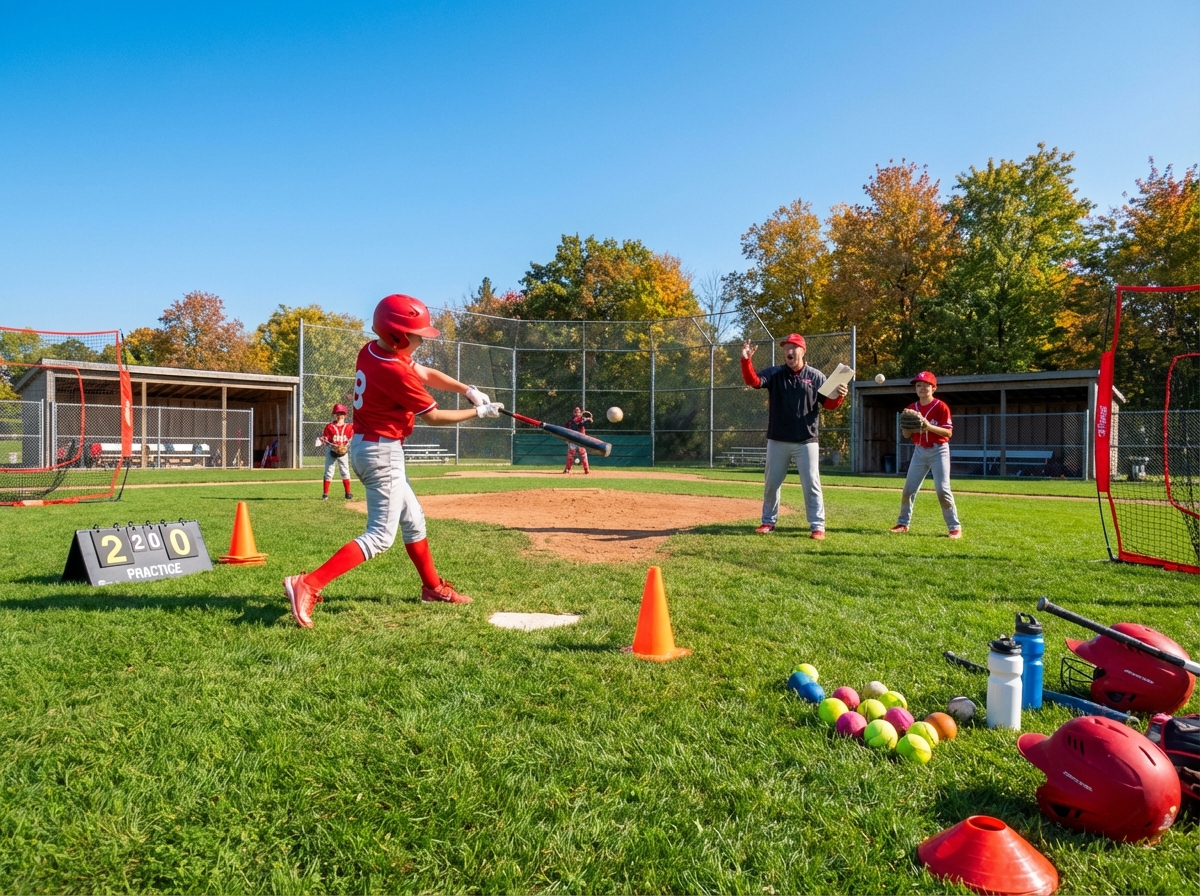
A strong community and culture are vital for a thriving baseball environment. Let’s look at how you can foster this within your team.
Encouraging Parent and Volunteer Participation
Parents and volunteers are the backbone of any youth league. Encouraging their involvement fosters a supportive environment. Engaged parents provide valuable support during games and practices. They can also assist with logistics, making events run smoothly.
Simple actions like organizing team events or helping with transportation make a big difference. When everyone pitches in, the sense of community grows. Parents feel more connected and players enjoy a supportive atmosphere.
TeamLinkt for Schedules and Communication
Communication is essential for smooth operations. TeamLinkt offers a streamlined way to keep everyone informed. This tool makes scheduling and communication a breeze. Coaches can easily share practice schedules, game locations, and any last-minute changes.
This tool also helps keep parents in the loop. With everything in one place, there’s less chance of miscommunication. Teams stay on track, and parents appreciate the clarity and convenience. For a quick tutorial on how to use TeamLinkt effectively, check out this video.
In summary, building a strong community and employing effective tools enhances the baseball experience for everyone involved.